

Insights
Practical notes on food ingredients.
Short, sourced articles for QA managers and buyers at food plants: which ingredient to use, why pH matters, and how to read a spec sheet or a label.
 Insights
Sorbic Acid vs. Potassium Sorbate: Which Form Fits Your Process
Same preservative, two forms. Choose by solubility and process, and compare prices per kilogram of sorbic acid delivered.
Read Insights
Why pH Decides Whether Sorbate Works
Only the acid form is active. A table from pH 3 to 7 shows how much of your dose is working, and what to do when it is not.
Read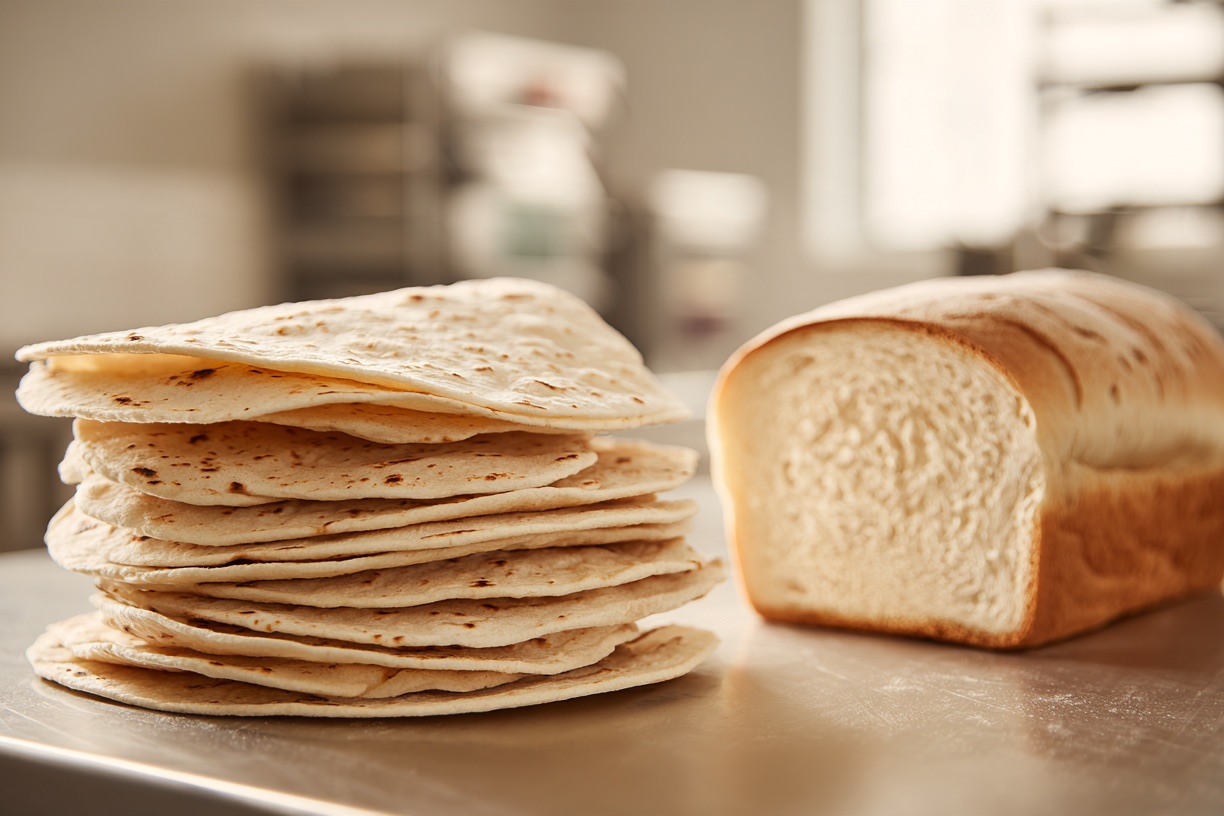 Insights
Why Tortillas Use Sorbate but Bread Uses Propionate
Sorbate inhibits yeast, so bread uses propionate. Tortillas are not yeast-raised, so sorbate fits, with an acidulant to make it work.
Read Insights
Sodium Benzoate and Potassium Sorbate: Using Them Together
Two water-soluble preservatives, one rule: pH. When to pair them, how to dose, and why benzoate and vitamin C need care.
Read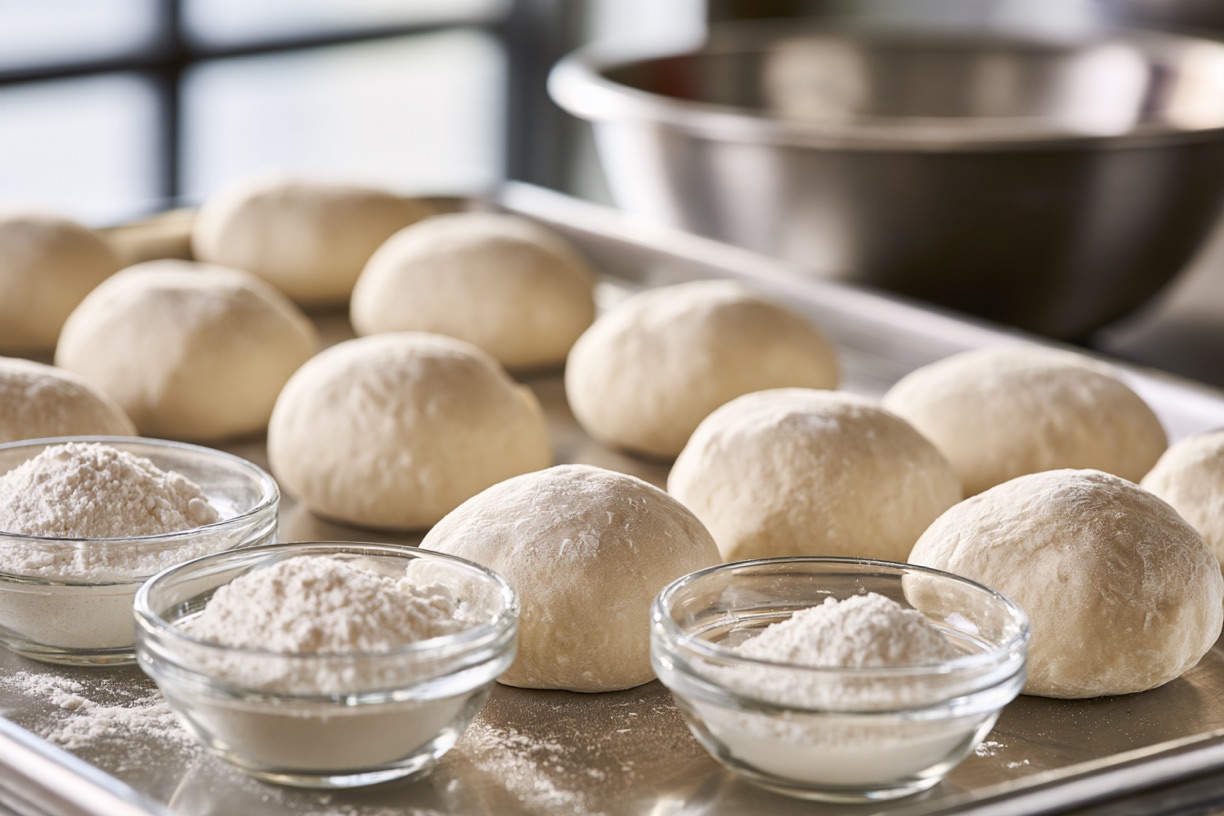 Insights
Leavening a Flour Tortilla: Baking Soda, SAPP and MCP
Balance soda against the leavening acids by neutralizing value, split the gas between bench and oven, and keep the pH where sorbate works.
Read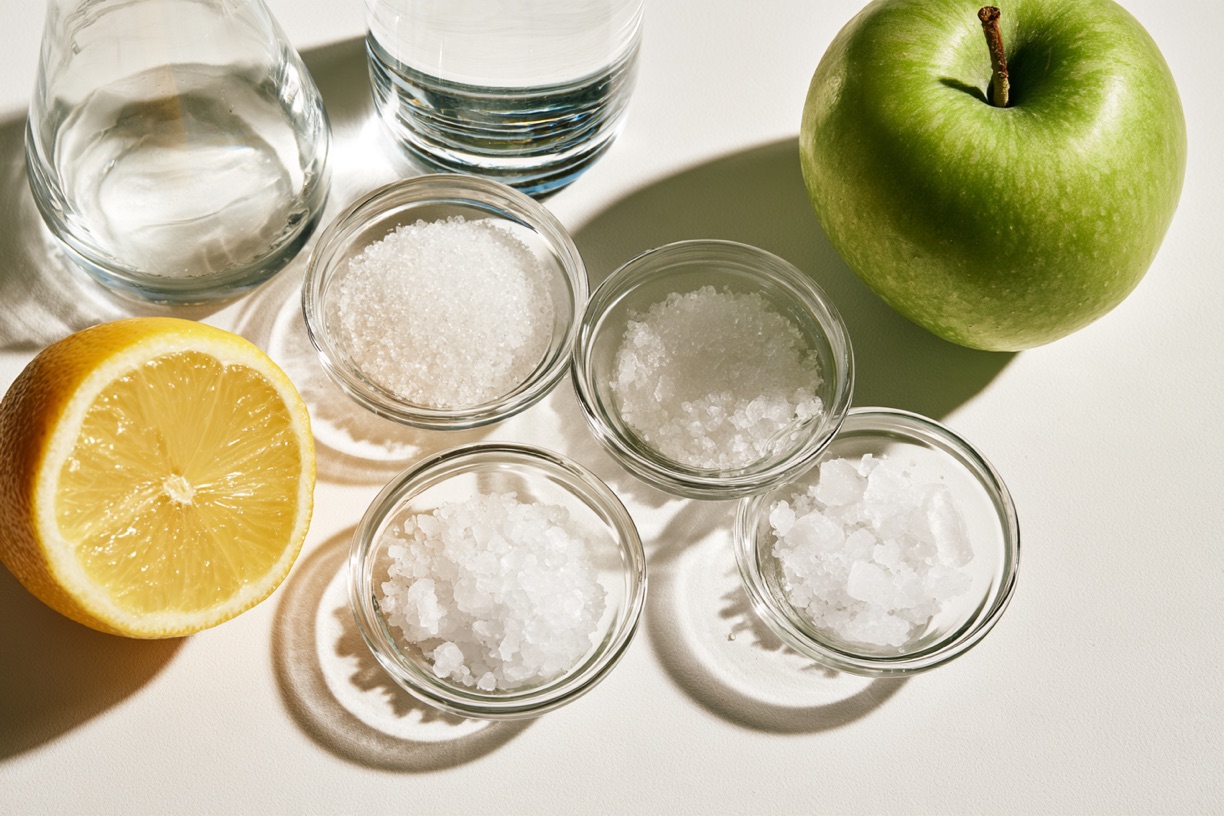 Insights
Citric, Malic, Fumaric or Lactic: Choosing an Acidulant
Same job, four characters. Pick by flavor profile, strength per kilogram, solubility and how the powder behaves in your plant.
Read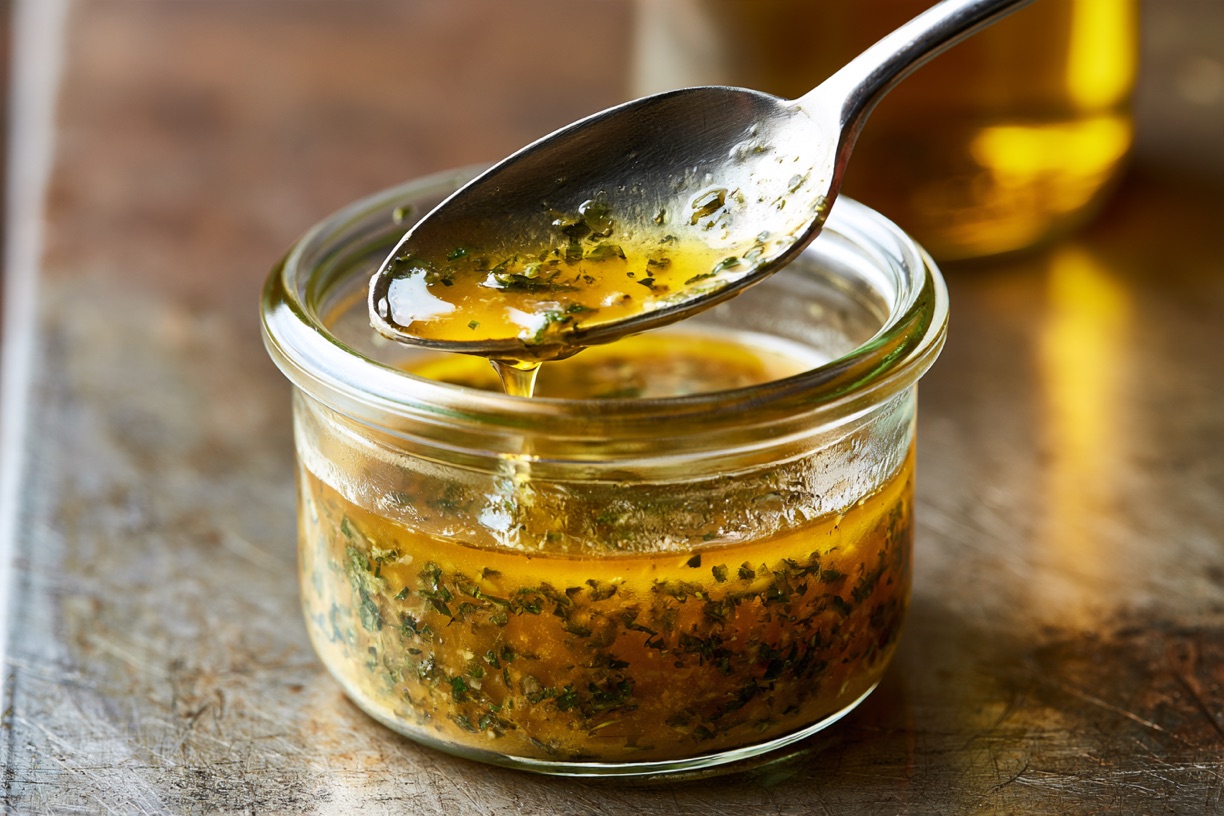 Insights
Xanthan or Guar: Picking a Gum for Dressings, Deli Salads and Noodles
Xanthan for stability under acid, salt and heat; guar for cheap, fast cold viscosity. Blended, they do more than either alone.
Read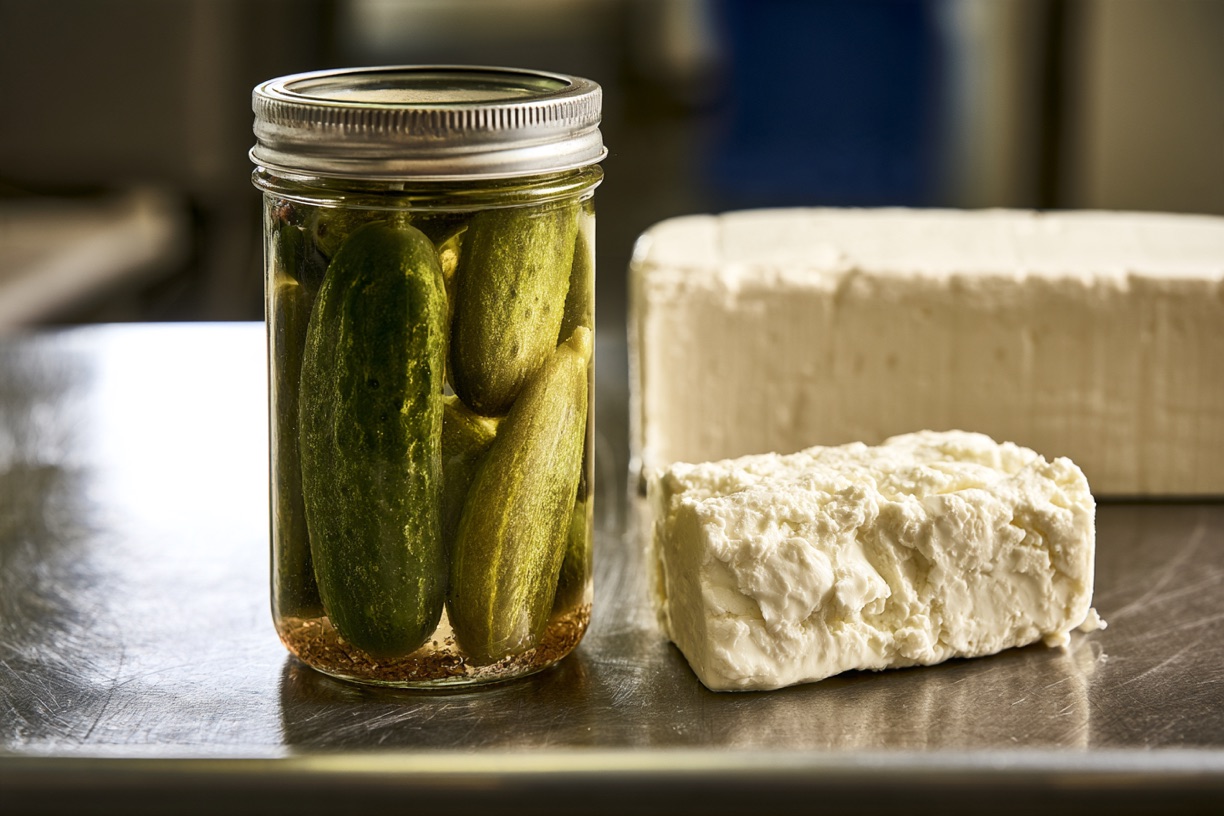 Insights
Calcium Chloride: Firm Pickles and a Clean Curd
One mineral, two industries. Calcium firms the pectin in a pickle and restores the calcium that pasteurization takes from cheese milk.
Read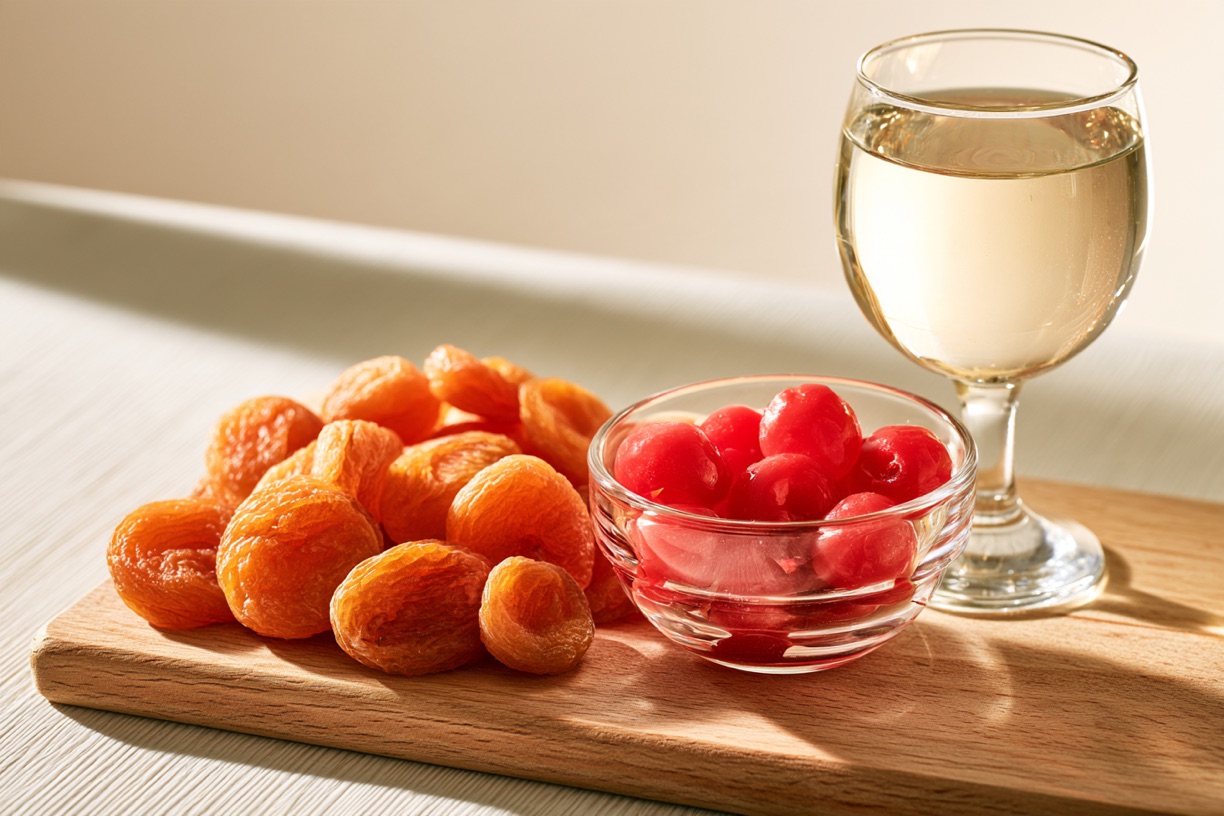 Insights
Sodium Metabisulfite: Sulfites in Wine, Cherries and Dried Fruit
One powder, two jobs: it stops microbes and it stops browning. Dose it as sulfur dioxide, respect the labeling rule, and keep it off raw produce and out of meat.
Read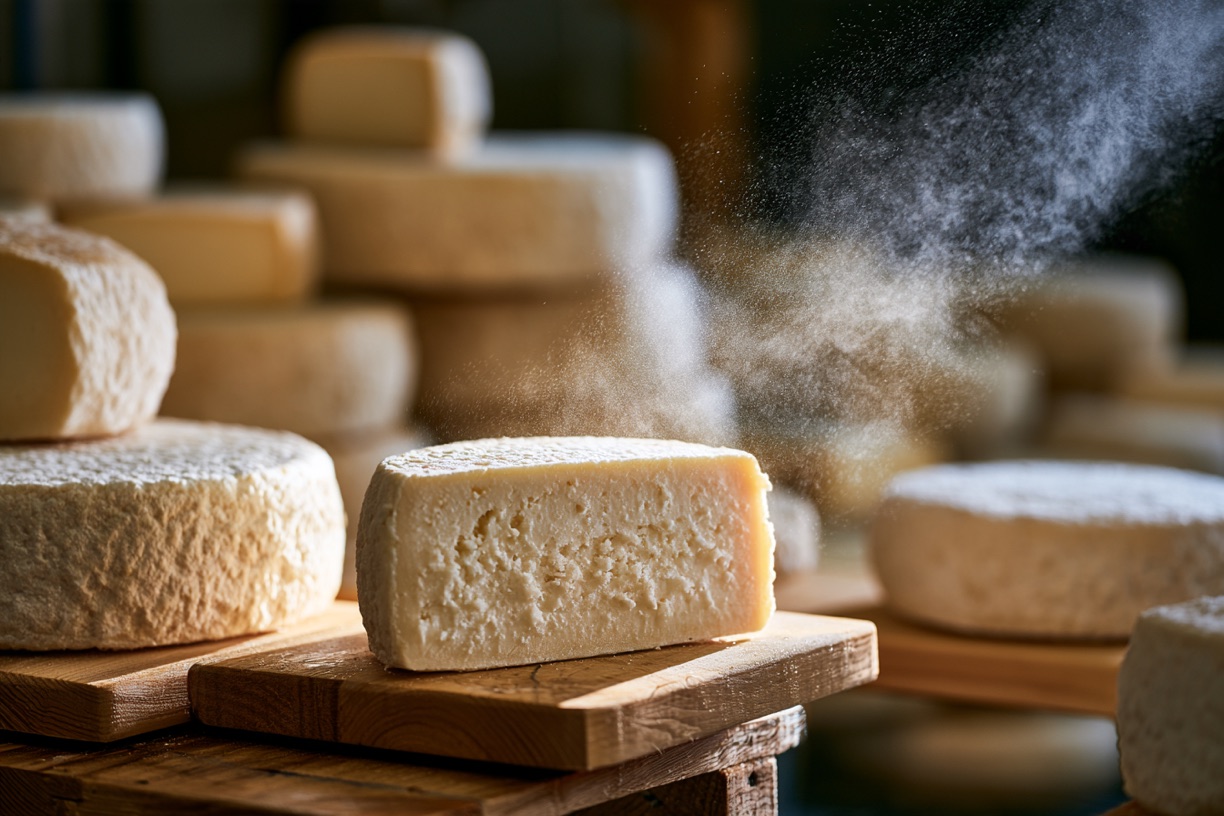 Insights
Natamycin or Sorbate on Cheese: What Each One Does
Natamycin stops mold and yeast on the surface at ppm levels and leaves cultures alone. Sorbate works through the product and depends on pH. Many plants use both.
Read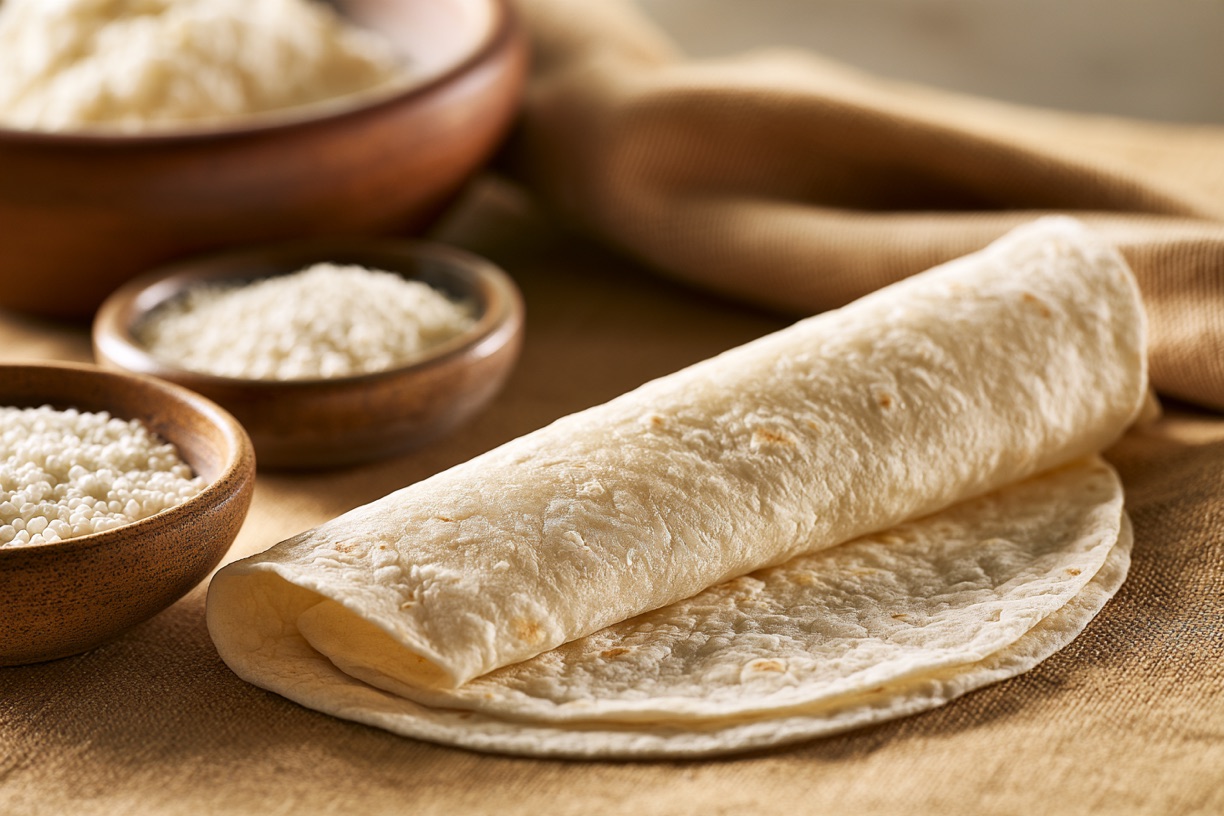 Insights
Mono- and Diglycerides: Why Tortillas Stay Soft and Icings Stay Smooth
The emulsifier behind a tortilla that folds without cracking and an icing that holds its air. What it does, which grade to buy, and how to use it.
Read Insights
How Preservatives and Other Additives Appear on a US Ingredient Statement
Common name, descending order, a function statement for every preservative, and the sulfite rule. The label side of the ingredients we supply.
Read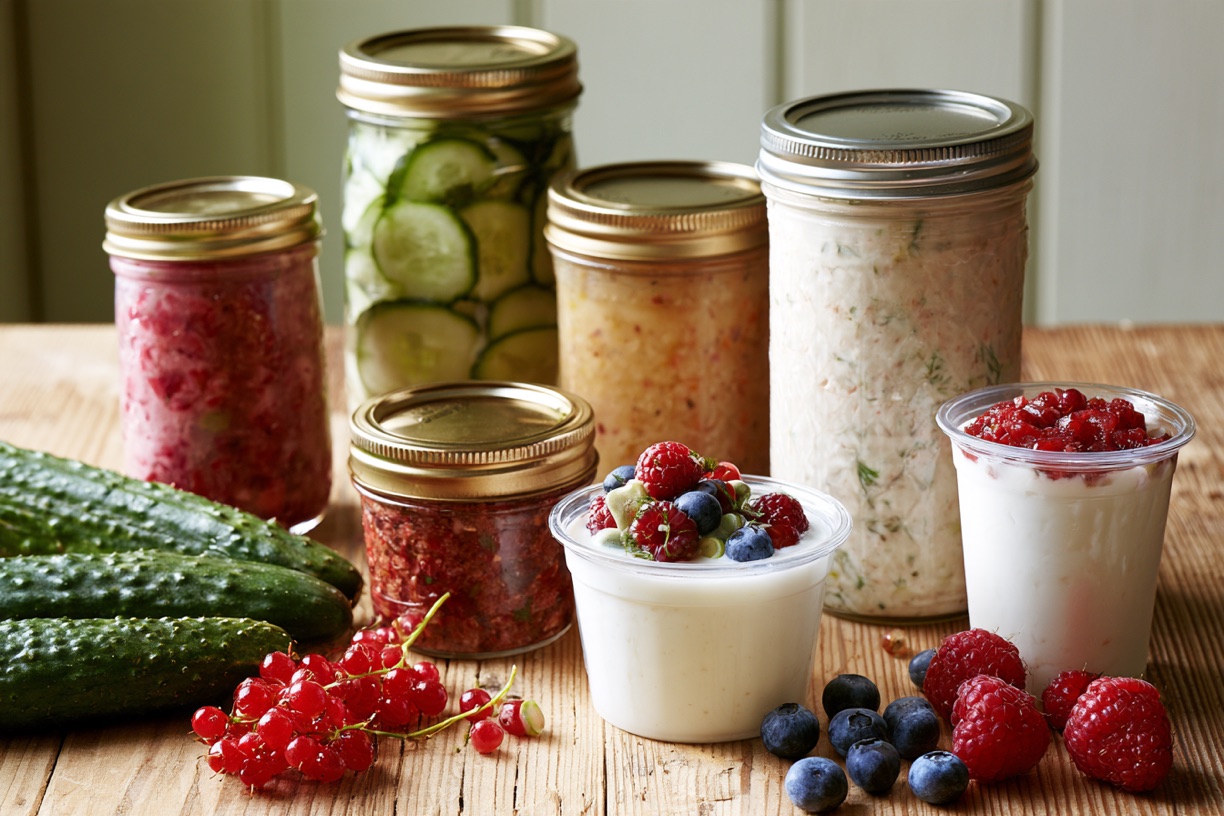 Insights
Which of Our Ingredients Are Allowed in Organic Processed Foods
The USDA National List decides. Citric and lactic acid, calcium chloride, baking soda and a few others are in; sorbate, benzoate, propionate and natamycin are out.
Read Insights
How to Read a Specification Sheet and a Certificate of Analysis
The specification is the promise; the COA is the proof for one lot. What each line means, where suppliers hedge, and what to write into your own spec.
Read
Ready to quote your next order?
Send us the product, quantity and delivery location. We reply with a price, a lead time and the document pack.