
Products
Potassium Sorbate
E202 · CAS 24634-61-5 · Food grade (FCC)
The water-soluble form of sorbic acid — the standard choice for controlling mold and yeast in liquids, brines, syrups and doughs.
Potassium sorbate is the potassium salt of sorbic acid. It dissolves easily in water, so it mixes straight into brines, syrups, batters and beverages. In an acidic food it works as sorbic acid, slowing the growth of mold and yeast and extending shelf life.
Typical specification
| CAS No. | 24634-61-5 |
|---|---|
| Formula | C₆H₇KO₂ |
| Molecular weight | 150.22 |
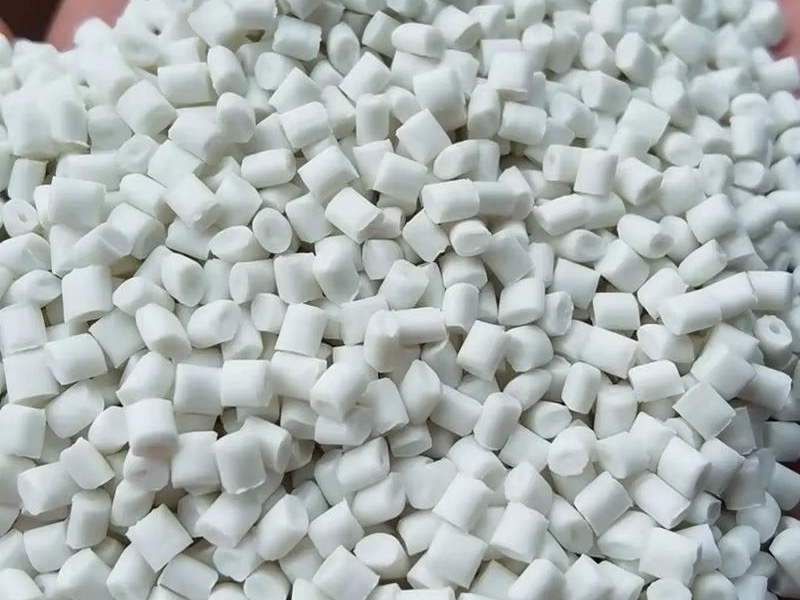
| Appearance | White granules (columnar crystals), odorless or nearly so |
| Solubility | Freely soluble in water, slightly soluble in ethanol |
| Grade | Food grade, meets FCC X |
| Assay (dried basis) | 99.0 – 101.0 % |
| Loss on drying | ≤ 1.0 % |
| Acidity or alkalinity | ≤ 1.0 % (as sorbic acid or K₂CO₃) |
| Aldehydes | ≤ 0.1 % |
| Heat stability | No change in colour after 90 min at 105 °C |
| Heavy metals (as Pb) | ≤ 10 mg/kg |
| Lead | ≤ 2 mg/kg |
| Arsenic | ≤ 2 mg/kg |
| Mercury | ≤ 1 mg/kg |
| Shelf life | 2 years in sealed original packaging |
| Storage | Cool, dry place, tightly closed |
| Packaging | 25 kg cartons |
Limits from the producer’s technical data sheet (FCC grade). The certificate of analysis governs each lot.
Packaging & documents
25 kg cartons. COA with every lot; SDS and specification sheet on request; kosher, halal, allergen and origin statements.
Where it is used
- Tortillas & flatbreads
- Cheese & cultured dairy
- Pickles & deli salads
- Fruit fillings, syrups & cherries
- Icings & fondant
- Noodles & wrappers
- Beverages, wine & cider
Frequently asked questions
- What does it protect against?
- Mainly mold and yeast. It is much less effective against bacteria, so it works alongside good hygiene, pH control and other hurdles, not instead of them.
- Does pH matter?
- Yes. Sorbates work best in acidic foods, below about pH 6, and get stronger as pH drops.
- Potassium sorbate or sorbic acid?
- Use potassium sorbate for water-based products. 1.34 kg of potassium sorbate supplies about 1 kg of sorbic acid.
- How much do I use?
- Typical levels are roughly 0.025–0.1% of the finished product, depending on the food. Check the regulations for your product and run shelf-life tests.
- Is it approved in the US?
- Potassium sorbate is GRAS under 21 CFR 182.3640, used in accordance with good manufacturing practice.
- What happens to it in the body?
- Sorbic acid is metabolized much like the fatty acids found naturally in food. The body breaks it down for energy, and most of it is exhaled as carbon dioxide (EFSA, 2015). EFSA has set an acceptable daily intake of 11 mg per kg of body weight per day (2019).
Insights
Further reading.
 Insights
Sorbic Acid vs. Potassium Sorbate: Which Form Fits Your Process
Same preservative, two forms. Choose by solubility and process, and compare prices per kilogram of sorbic acid delivered.
Read Insights
Why pH Decides Whether Sorbate Works
Only the acid form is active. A table from pH 3 to 7 shows how much of your dose is working, and what to do when it is not.
Read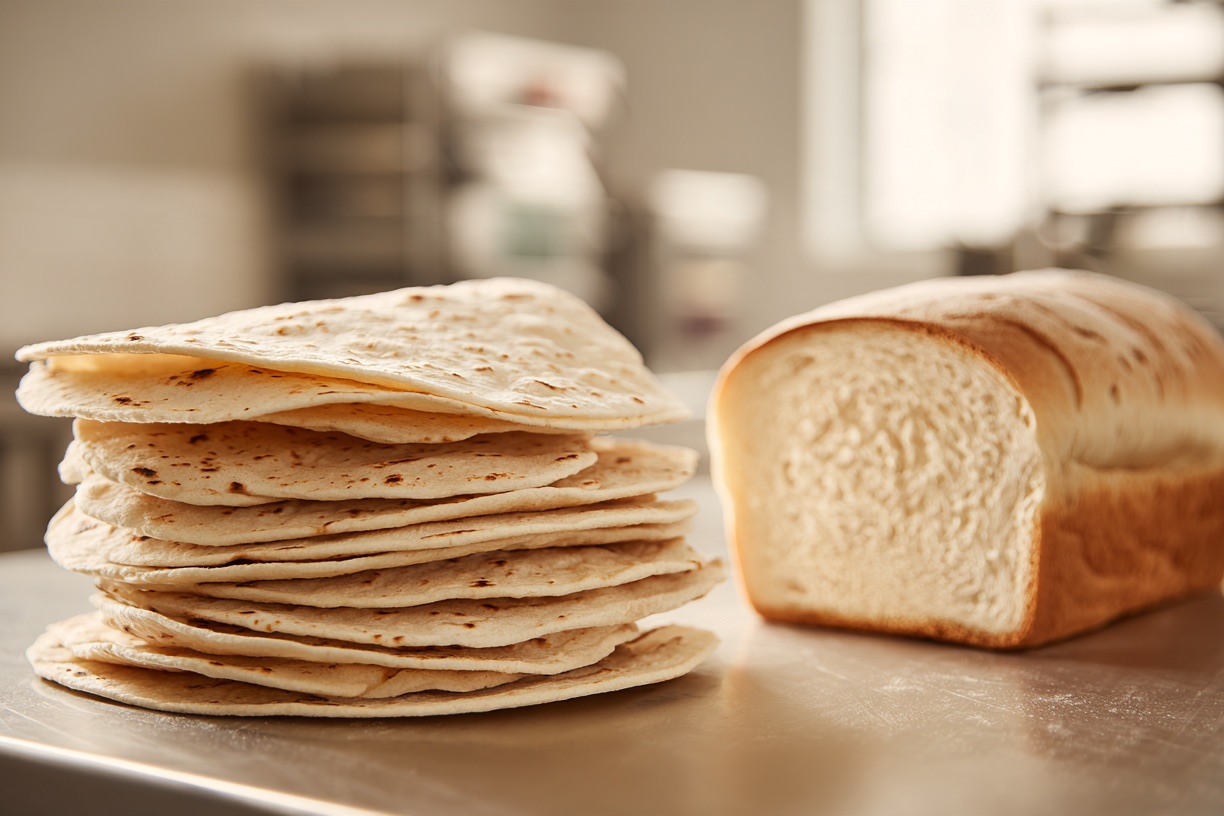 Insights
Why Tortillas Use Sorbate but Bread Uses Propionate
Sorbate inhibits yeast, so bread uses propionate. Tortillas are not yeast-raised, so sorbate fits, with an acidulant to make it work.
Read
Ready to quote your next order?
Send us the product, quantity and delivery location. We reply with a price, a lead time and the document pack.