
Products
Sorbic Acid
E200 · CAS 110-44-1 · Food grade (FCC)
The parent preservative — for dry blends, fat-based products and surface treatments where you don’t want to add water.
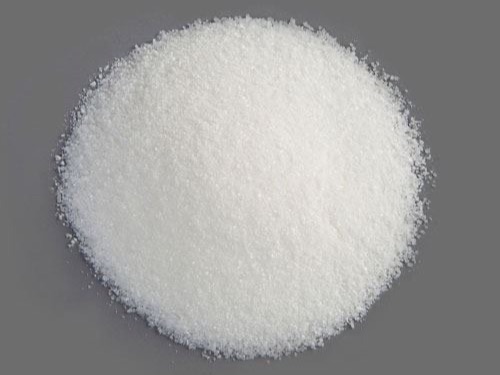
Sorbic acid is the active preservative itself. It is only slightly soluble in water, so it suits dry mixes, fat- and oil-based products and surface treatment rather than liquids.
Typical specification
| CAS No. | 110-44-1 |
|---|---|
| Formula | C₆H₈O₂ |
| Molecular weight | 112.13 |
| Appearance | White needle-like crystals or powder |
| Melting point | 132 – 135 °C |
| Solubility | Slightly soluble in water, soluble in many organic solvents |
| Grade | Food grade, meets FCC X |
| Assay (dried basis) | 99.0 – 101.0 % |
| Water | ≤ 0.5 % |
| Residue on ignition | ≤ 0.2 % |
| Aldehydes (as formaldehyde) | ≤ 0.1 % |
| Heat stability | No change in colour after 90 min at 105 °C |
| Heavy metals (as Pb) | ≤ 10 mg/kg |
| Lead | ≤ 2 mg/kg |
| Arsenic | ≤ 2 mg/kg |
| Mercury | ≤ 1 mg/kg |
| Shelf life | 2 years in sealed original packaging |
| Storage | Cool, dry, tightly closed |
| Packaging | 25 kg bags or cartons |
Limits from the producer’s technical data sheet (FCC grade). The certificate of analysis governs each lot.
Packaging & documents
25 kg bags or cartons; same document set as potassium sorbate.
Where it is used
- Cheese & dairy
- Bakery fillings and icings
- Dry blends
- Fat- and oil-based products
Frequently asked questions
- What does it protect against?
- Mainly mold and yeast. It is much less effective against bacteria, so it works alongside good hygiene, pH control and other hurdles, not instead of them.
- Does pH matter?
- Yes. Sorbates work best in acidic foods, below about pH 6, and get stronger as pH drops.
- How much do I use?
- Typical levels are roughly 0.025–0.1% of the finished product, depending on the food. Check the regulations for your product and run shelf-life tests.
- Is it approved in the US?
- Sorbic acid is GRAS under 21 CFR 182.3089.
- What happens to it in the body?
- Sorbic acid is metabolized much like the fatty acids found naturally in food. The body breaks it down for energy, and most of it is exhaled as carbon dioxide (EFSA, 2015). EFSA has set an acceptable daily intake of 11 mg per kg of body weight per day (2019).
Insights
Further reading.
 Insights
Sorbic Acid vs. Potassium Sorbate: Which Form Fits Your Process
Same preservative, two forms. Choose by solubility and process, and compare prices per kilogram of sorbic acid delivered.
Read Insights
Why pH Decides Whether Sorbate Works
Only the acid form is active. A table from pH 3 to 7 shows how much of your dose is working, and what to do when it is not.
Read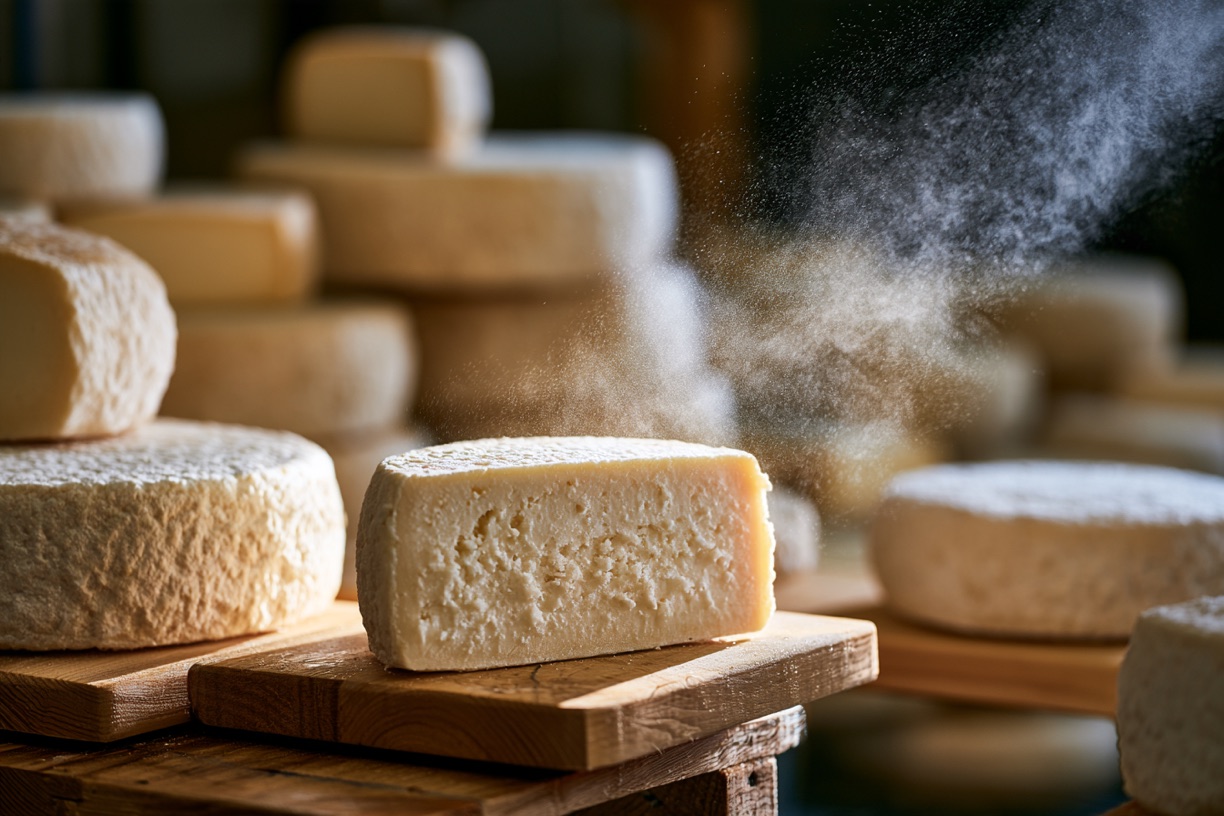 Insights
Natamycin or Sorbate on Cheese: What Each One Does
Natamycin stops mold and yeast on the surface at ppm levels and leaves cultures alone. Sorbate works through the product and depends on pH. Many plants use both.
Read
Ready to quote your next order?
Send us the product, quantity and delivery location. We reply with a price, a lead time and the document pack.